Paper 1: Preliminary observations on necrophagous insects visiting a pig carrion and decomposition effects on soil fauna. by Francesco Defilippo, Fabio Gatti, Nicola Cucurachi, Giovanni Mori: Anil Aggrawal's Internet Journal of Forensic Medicine: Vol. 9, No. 1 (January - June 2008)
Received: March 16, 2007
Accepted: July 27, 2007
Ref:
Defilippo F, Gatti F, Cucurachi N, Mori G. Preliminary observations on necrophagous insects visiting a pig carrion and decomposition effects on soil fauna.
Anil Aggrawal's Internet Journal of Forensic Medicine and Toxicology [serial online], 2008; Vol. 9, No. 1 (January - June 2008): [about 18 p]. Available from: . Published : January 1, 2008, (Accessed:
Email the corresponding author Fabio Gatti by clicking here
Francesco Defilippo
Fabio Gatti
Preliminary observations on necrophagous insects visiting a pig carrion and decomposition effects on soil fauna.
by Francesco Defilippo*, Fabio Gatti*a, Nicola Cucurachi**, Giovanni Mori***,
*University of Parma, Dep. of Evolutive and Functional Biology, Sec. of Natural History Museum, via Farini 90, 43100 Parma, Italy.
**University of Parma, Dep. of Human Anatomy, Pharmacology and Science Medico-Legal, via Gramsci 14, 43100, Parma, Italy.
*** Master of Forensic Science, University of Parma, Dep. of General and Inorganic Chemistry, Analytic Chemistry and Physics Chemistry, Parco Area delle Scienze 14, 43100, Parma, Italy.
*a Corresponding author Fabio Gatti tel. +390521236465, fax +390521533673 e-mail: fabio.gatti@nemo.unipr.it
Abstract
Entomological evidence can be a useful tool in forensic studies1; however, to precise information about time and place of death maximally, it is necessary to have climatic and biogeographic parameters of the site where the object of studies is located.
As no data are reported on Parma province on necrophagous insects visiting corpses, a pig carrion was placed in a rural place along the right side of Baganza channel and necrophagous insects were studied during the colonization process. The study started the 28th October 2005 and it finished on the 5th December 2005. Despite low temperatures (average temperature 10° C) many insects were found. Calliphoridae, Muscidae and Fannidae were the most represented families. Results, as reported in previous studies performed in similar environments,2,12
show that the first flies to reach the carrion were Lucilia caesar (Linnaeus, 1758) and Calliphora vomitoria (Linnaeus, 1758)2 which deposed eggs on the second day. To evaluate the time elapsed since the death (PMI), the developmental time of various necrobiont flies was measured using Marchenko's method. 3
In order to evaluate effects of decomposition processes on edaphic mesofauna different soil samples taken beneath the carrion and at one meter distance were analysed and compared. Differences in microarthropods community structures of these two samples were found.
Keywords
L. caesar, C. vomitoria, Marchenko, Soil Fauna, Post Mortem Interval (PMI)
Introduction
Studies of necrobiont insects for forensic application have been conducted for many years.1,4 Entomological evidence can be used to assess the time of death (Post Mortem Interval) and to get useful information about scena criminis.5 Arthropods even play an important role in decomposition processes as they are often related to various stages of decay that succeed death as well.6 Diptera is the most represented order of cadaver entomofauna. In particular, Calliphoridae, Sarcophagidae, Muscidae, Fannidae, Phoridae, Phiophilidae are the most important families of necrophagous insects.2Sarcophagidae and Calliphoridae are usually the first flies to reach a carrion the day of death and to lay eggs which will hatch on it. So, the identification of insects found on the carrion and the study of their developmental stages are important tools in time of death assessment.7
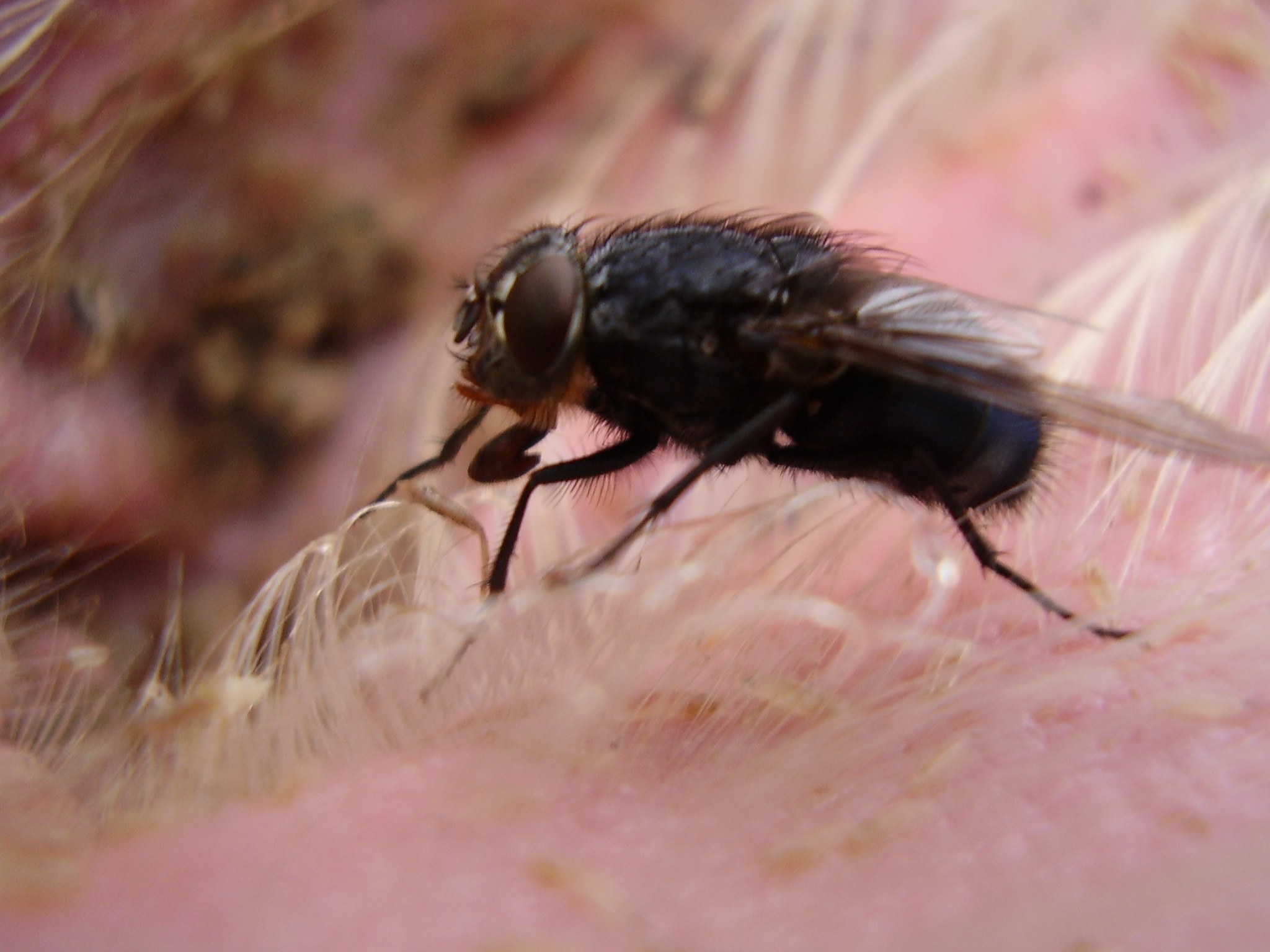
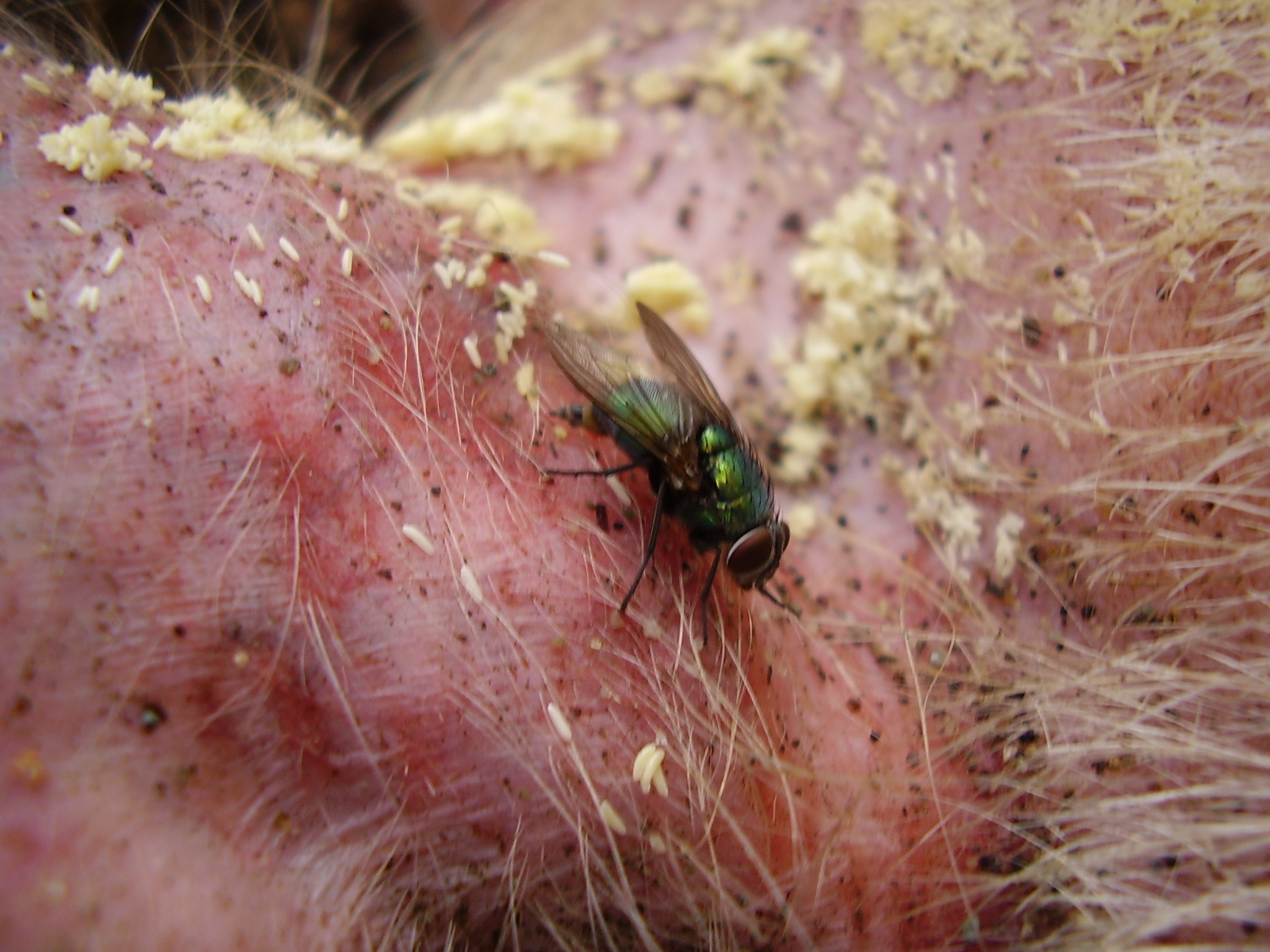
Picture 1: C. vomitoria ovidepositing on the 12th day of experiment. [Click all pictures to enlarge]
For a better utilization of entomological knowledge in real cases, we should know which species are present in every biotope and their ecological role. In fact, species composition of cadaver entomofauna depends on many factors such as geographic position, environmental conditions and climatic parameters.8
Since there is no such data about Parma and Emilia Romagna region, we planned a preliminary experiment to get information about necrophagous insects and their developmental time referred to decomposition processes in this country.
Decomposition processes have effects on microarthropods communities which can show responses to disturbance induced by a decomposing carrion. To evaluate these effects it had been used a biological index called QBS (Soil Biology Quality Index)10based on different level of adaptation of the several biological forms which can be found in soil.
Materials and Methods
The experiment was performed in a wood along the right hydrographic bank of Baganza channel in the periphery of Parma (Lat. 44° 48' N Long. 10° 20' E, alt. 55 a. s. l.). The climate is continental, with warm summer and cold winter, annual precipitation 700 mm. The vegetation on the site is mostly composed by trees as Robinia pseudoacacia and Rubus sp .
The study area was secured with a wire mesh (6 x 6 cm) to avoid people reaching the carrion. An iron cage (the mesh size is 1 X 4 cm) was situated in the secured area over the carrion to protect it from rats, birds and other vertebrates.
The pig (which weighed 20 kg) died a natural death on october 26 th 2005 and has been stored in a refrigerator (mean temperature 4°C) place until the 28 th of october. At 3.00 PM of friday the 28 th the carrion was deposed in the experiment place. Flies and other artropods found on the pig were collected every day and taken to laboratory for taxonomical identification. Temperature was recorded every two hours with data loggers (Keller H, C, W CellaLog®) which were put on the cage and covered to avoid direct solar radiation. Internal temperature was also measured daily with a digital thermometer (Table 1). Observations on the cadaver were made every day between 9,30 AM and 1,00 PM. Initially (from 9,30 AM until 10,00 AM) the carrion were carefully examined (mouth cavity, eyes, ears, anus and the whole body surface) to check eggs possibly deposed in the night.9
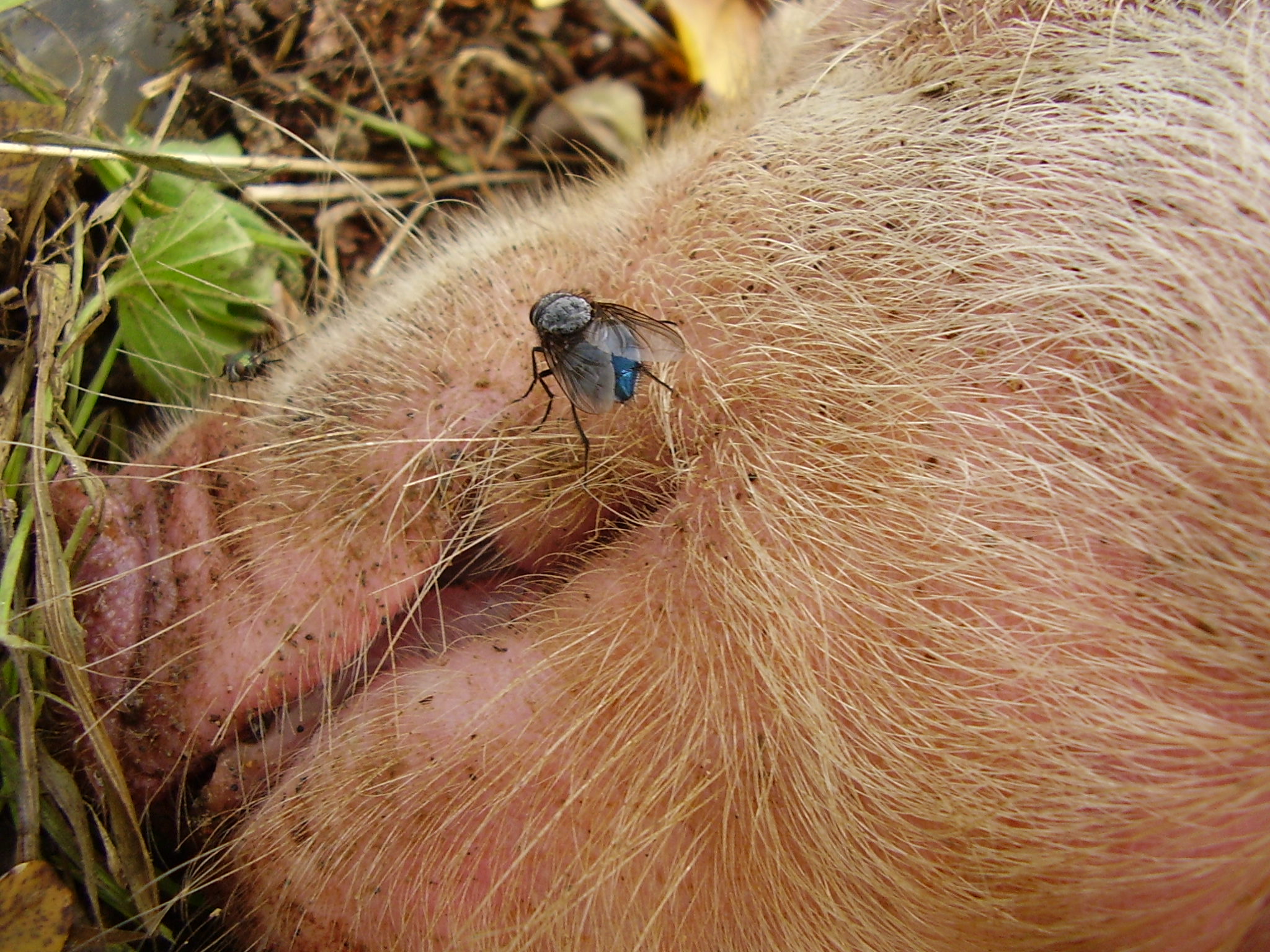
Picture 2: C. vomitoria visiting the carrion on the 1st day. [Click all pictures to enlarge]
Date
Day of experiment
External temperature
Internal temperature
RearingTemperature
28/10/2005
1 st
12,5
9
-
29/10/2005
2 nd
11,5
15
-
30/10/2005
3 rd
10,5
13
-
31/10/2005
4 th
11,3
13
-
01/11/2005
5 th
11,4
13
-
02/11/2005
6 th
12,2
13
23,2
03/11/2005
7 th
10,6
11
23,2
04/11/2005
8 th
10,0
13
23,2
05/11/2005
9 th
11,3
13
23,2
06/11/2005
10 th
11,3
n.p.
23,2
07/11/2005
11 th
12,5
14
23,2
08/11/2005
12 th
10,5
15
23,2
09/11/2005
13 th
10,2
21
23,2
10/11/2005
14 th
10,3
n.p.
19,2
11/11/2005
15 th
8,9
10
19,2
12/11/2005
16 th
7,8
27
19,2
13/11/2005
17 th
8,3
19
19,2
14/11/2005
18 th
7,6
25
19,2
15/11/05
19 th
8
-
19,2
16/11/05
20 th
8,8
-
19,2
17/11/05
21 st
8,7
-
19,2
18/11/05
22 nd
5,5
-
21,2
19/11/05
23
3,9
-
18,4
20/11/05
24 th
2,9
-
16,8
21/11/05
25 th
3,7
-
18,5
22/11/05
3,8
26 th
1,3
-
18,7
23/11/05
27 th
1,9
-
18,3
24/11/05
28 th
-1
-
18,3
25/11/05
29 th
-0,1
-
17,1
26/11/05
30 th
0,1
-
17,6
27/11/05
31 th
0,3
-
17,6
28/11/05
32 th
0,2
-
16,9
29/11/05
34 th
2,1
-
16,9
30/11/05
35 th
3,1
-
18,9
1/12/05
36 th
1,3
-
19,4
2/12/05
37 th
2,4
-
18,5
3/12/05
38 th
2,2
-
19,3
4/12/05
39 th
8,3
-
18,9
5/12/05
40 th
9,1
-
18,9
6/12/05
41 th
7,9
-
18,4
7/12/05
42 th
7
-
17,7
8/12/05
43 th
8
-
16,3
Table 1 : mean daily temperatures measured during the experiment
Insects were then directly collected from the carrion with a vial containing ethyle acetate to kill them immediately. Then the sampling method must be considered only qualitative.
Between 10,00 AM and 1,00 PM nine collecting cicles of 20 minutes were performed. Each cicle was divided in two parts:10 minutes were used to pick adult insects from the carrion (while feeding or ovideposing eggs) and nearby it. During the remaining 10 minutes the carrion was left to let other insects visit it.
Three sets of larvae were collected and reared in round Plexiglas vessels (diameter 20 cm and 6 cm high) filled with sawdust. Maggots were fed with 200 g of meat (pig muscle). Temperature was measured every two hours with a data logger (Keller H, C, W CellaLog ®) put inside each vessel (Table 1) (it ranged between 16°C and 23°C).
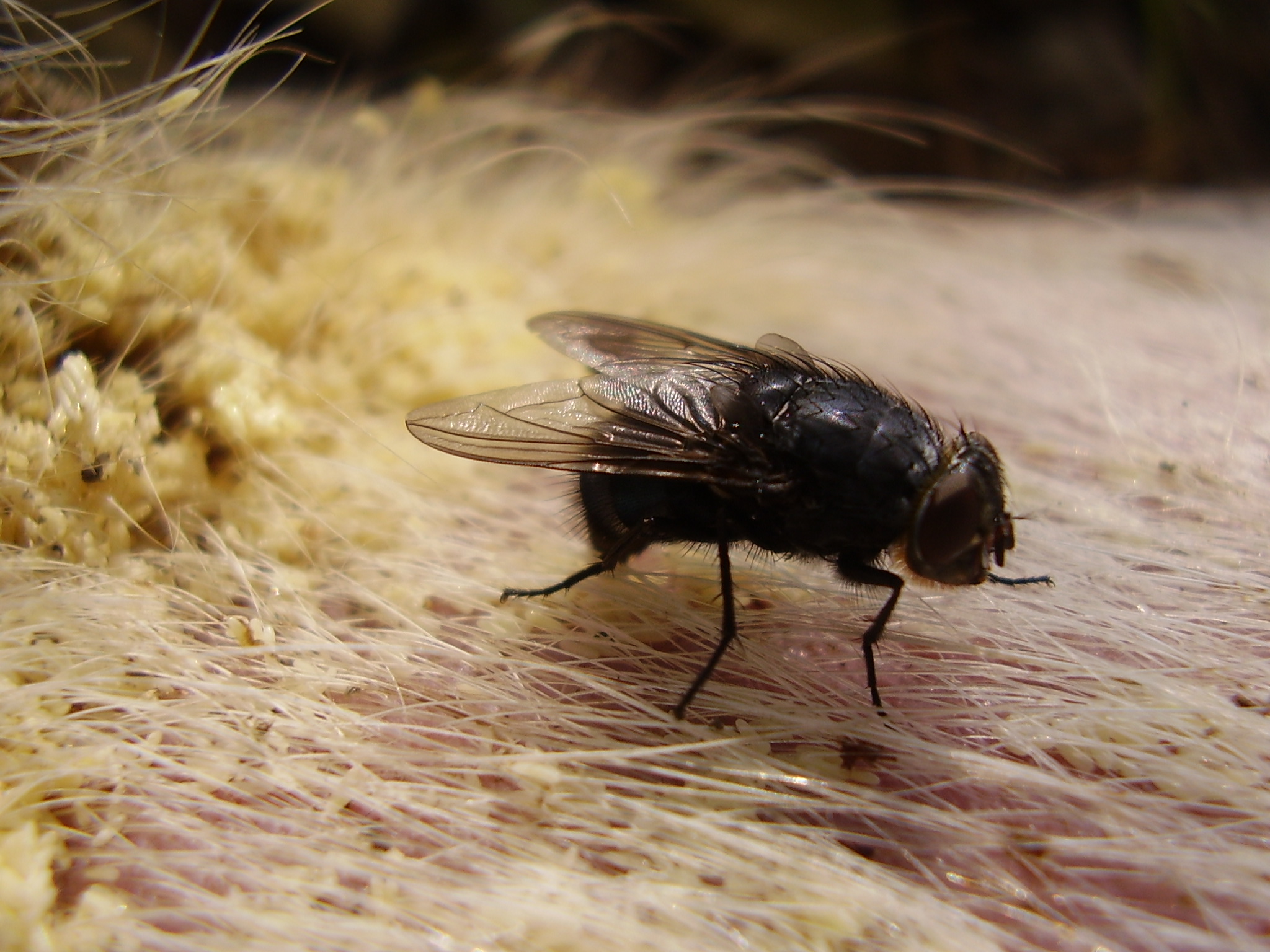
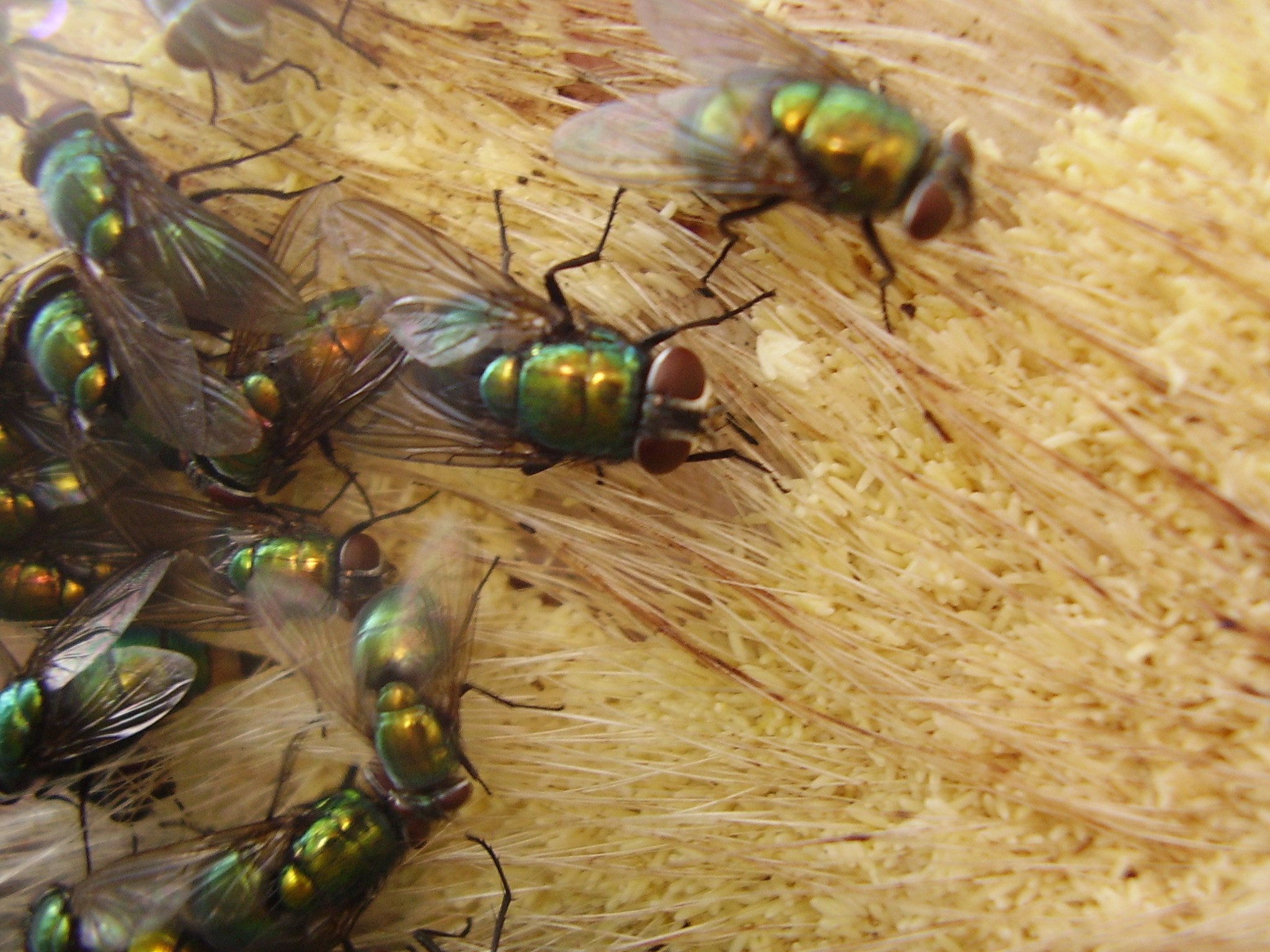
Picture 3: C. vomitoria while ovidepositing eggs. [Click all pictures to enlarge]
Each larval set was composed of 50 specimen mostly represented by Calliphora vomitoria . The larval sets where drawn on:
(i) the 6 th day (02/11/2005) 50 eggs were drawn (1 st set) from the pig and successively reared until first adult emerged.
(ii) the 11 th day (07/11/2005) 50 third instar larvae were drawn (2 nd set) and kept in the same conditions of the 1 st set.
(iii) the 18 th day (14/11/2005) 50 third instar larvae were collected (3 rd set) and kept in laboratory as above.
On the 21 st (17/11/2005) day the most of maggot mass had spread out since and skeletonization phase had begun. No more necrophagous insects were found on the carrion after this day.
PMI Estimation
PMI was calculated by means of biological parameters such as species specific Heat Constant and Lower Development Threshold (LDT).3 Heat constant is the sum of Accumulated Degrees Day (ADD) which represent the effective daily temperature needed to enhance the development. ADD are calculated as follows:
ADD=T - LDT
Where T is the mean daily temperature and LDT is the species specific Lower Development Threshold. PMI was calculated referring both to internal and external mean daily tamperature (Table 1).
Soil sampling
On the 39 th day (5/12/2005) two soil samples (1 dm 3 each) were collected from the ground underneath the pig (contaminated sample) and from the ground at 1 meter distance (control sample) from the carrion. Microarthropods were extracted using Berlese - Tullgren funnel. QBS index10 was calculated and used to compare edaphic communities found within each sample. Each type found in the sample receives a score from 1 to 20 (eco-morphological index, EMI), according to its adaptation to soil environment. The QBS index sums up these scores, thereby characterizing the microarthropod community of the sample being studied.11
Results
Weather condition have changed conspicuously and temperature varied between -1°C and 12,5°C. It rained on November the 1 st , both on November the 5 th and 6 th (10 th day of experiment) and on November the 10 th (14 th day of experiment). Internal temperature varied between 9°C and 27°C. Actually, internal and external temperatures were significantly different (t test was applied, N = 16, df = 15, p = 0,01) (Table 1).
During the first 15 days almost 300 specimens belonging mainly to families Calliphoridae (60%) and Fannidae (16%) have been collected (Table 2). Only few beetles of no forensic interest were found (except for Tanatophilus rugosus (fam. Silphidae) found on the 11 th day). Only two specimens of Vespula sp. and a member of family Baronial were found.
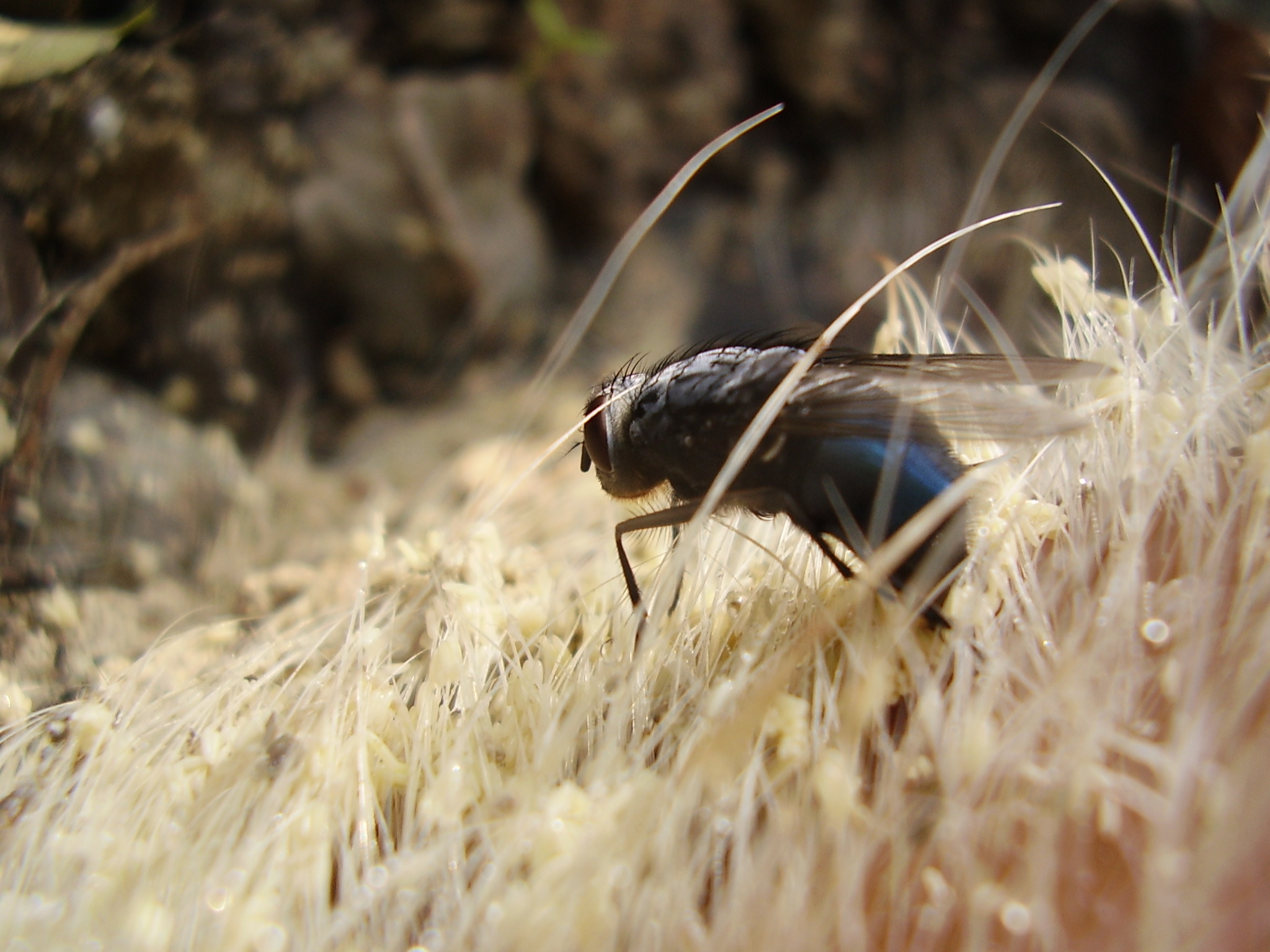
Picture 4: C. vomitoria while feeding. [Click all pictures to enlarge]
Insect
Frequency
%
Lucilia caesar
105
36%
Fannia canicularis
46
16%
Calliphora vicina
42
14%
Calliphora vomitoria
28
10%
Muscina stabulans
22
7%
Braconidae
18
6%
Hydrotaea ignava
6
2%
Piophila casei
6
2%
Parapiophila casei
5
2%
Staphilinidae
5
2%
Lucilia sericata
3
1%
Oecypus olens
2
1%
Aphodius sp.
2
1%
Musca domestica
2
1%
Total
292
100%
Table 2 : Percentage of insects collected in the first 15 days.
C . vomitoria and L. caesar were the first to reach the carrion; they laid eggs on 29 th October. These eggs were considered representatives of the first colonization wave to be used in the rearing experiments (1 st set). A second colonization wave happened on 7 th of November (day 11) when new eggs were found on the carrion. ADD calculated in the 1 st set for the first adult to emerge of C. vomitoria (33 rd day) amounted to 476°C (Table 3) according to Marchenko, 2001.3
Picture 5: L caesar visiting the carrion on the 2nd day of experiment. [Click all pictures to enlarge]
Day of experiment
Date
Developmental stage
ADD
33rd
27-nov-05
First image of Calliphora vomitoria
476,7
---
---
---
---
15th
11-nov-05
Pupae
226,8
----
----
-
13th
9-nov-05
III instar Larvae
194,4
---
---
---
---
8th
4-nov-05
Hatching
93,4
---
---
---
---
6th
2-nov-05
Eggs Sampling
53
---
---
---
---
2nd
29-10-05
Ovideposition
0
Table 3 : 1st set ADD and PMI calculation
Retrospective reconstruction of its developmental stages allowed us to affirm that ovideposition occurred on 29 th October. Assuming death to have occurred the same day the pig was put on the site, PMI calculated on the first set can be considered correct.
The third instar larvae were firstly found and drawn (2 nd set) on the 7 th of November (11 th day of experiment). They also belonged to the first colonization wave occurred on November 29 th. First adult of the 2 nd set ( C. vomitoria ) emerged on 34 th day with ADD = 427° C (ADD with internal temperature 460) (Table 4).
Day of experiment
Date
Developmental stage
ADD(external T°) ADD(internal T°)
ADD (internal T°)
34 th
30-nov-05
C. vomitoria First image
427,8
460
14 th
10-nov-05
Pupae
149,9
165,1
11 th
7-nov-05
III instar larvae Sampling
93,3
108,5
2 nd
29-oct-05
0
0
Table 4 : 2 nd set ADD and PMI calculation
Larvae (third instar) were also drawn on November 14 th (3 rd set) but they actually belonged to a successive colonization wave occurred probably on the 7 th of November. In this set C. vomitoria emerged firstly on the 8 th of December (42 nd day) with total ADD = 409° C (ADD with internal temperature 469,5) (Table 5).
Picture 6: L caesar while ovideposing on the 2nd day of experiment. [Click all pictures to enlarge]
Day of experiment
Date
Developmental stage
ADD (external T°)
ADD(internal T°)
42 nd
8-dic-05
C.vomitoria First image
409,2
469,5
----
---
---
---
---
18 th
14-nov-05
III instar Larvae Sampling
54,1
100,5
----
---
---
---
---
11 th
7-nov-05
0
0
Table 5 : 3rd set ADD and PMI calculation.
The 2 nd and 3 rd set are clearly anomalous as they lack about sixty ADD in each set. Some factors must have reduced the developmental time of C. vomitoria in both the 2 nd and 3 rd set.
Soil Fauna
The decomposition processes caused clear disturbance to the soil underneath the carrion. The sampling activity itself contributed to increase the disturbance upon the soil fauna. In the two samples (control and contaminated) the composition of edaphic community was quite different (Table 6).
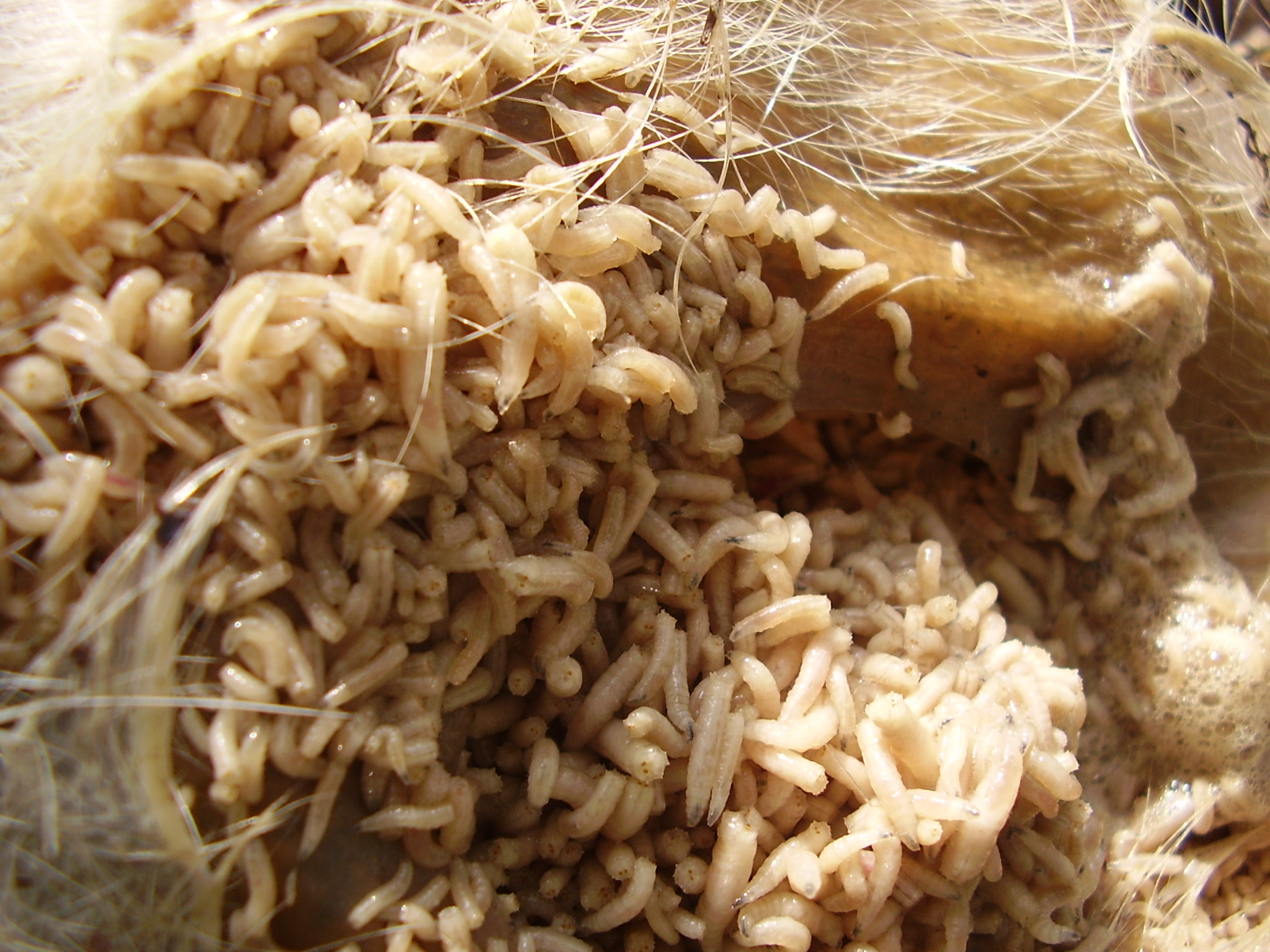
Picture 7: Maggot mass on the 11th day of experiment. [Click all pictures to enlarge]
Biological forms
EMI
Values
Contaminated
(number of individual)
Control
(number of individual)
Contaminated
(EMI)
Control
(EMI)
Acarina
20
36
78
20
20
Araneida
1-5
1
5
Collembola
1 - 20
39
38
8
20
Diplura
20
-
2
-
20
Imenoptera
1-5
6
3
5
Isopoda
10
2
-
10
Pauropoda
20
20
20
chilopoda
10 - 20
-
1
-
20
Protura
20
-
6
-
20
Symphila
20
2
20
20
Coleoptera
1 - 20
12
-
1
1
Larvae
Coleoptera
10
72
1
10
10
Diptera
10
20
6
10
10
Fannidae
/
74
7
-
-
Calliphoridae
/
19
5
-
-
QBS
105
166
Table 6 : Edaphic community and relative EMI values found in the two treatments.
Almost all Biological Forms adapted to soil were present in the control (e.g. Symphila, Diplura, Protura) while they lacked in the contaminated one. Calliphoridae (19 specimen), Fannidae (74 specimen) and Coleoptera (72 larvae) larvae were found in large numbers in the contaminated sample while they were scarce in the control sample (1, 7, 5 Coleoptera, Fannidae and Calliphoridae larvae respectively).
QBS calculated for these samples showed a great difference between them. The contaminated sample had a QBS index of 105 while the control sample had a QBS index of 166. Springtails themselves showed higher levels of adaptation in the control sample (EMI=20) than in the contaminated sample (EMI=7) (Table 6).
Discussion
The high number of necrophagous diptera found on the carrion were unexpected during this season because low temperatures should limit insect activity. According to Arnaldos15 our results indicate Calliphoridae and Muscidae as the most represented diptera (Table 2), L. caesar and C. vomitoria confirm themselves to be the first insects colonizing a carrion.12 The occurrence of L. caesar can be explained by the fact that it prefers shady places covered with sparse trees and scrub.13
Our findings are similar to Centeno16 as they recovered Calliphorids on the first day. They also observed recolonization in later stages of decomposition until the 48 th day. Our results show that recolonization happened on the 11 th day. We found eggs Moreover they found third stage larvae on the eighth day while we found third stage on the 11th.
Results of the 1 st set are confirmed in Marchenko 2001 and we can affirm that ovideposition occurred between 28 th -29 th October (Table 3). Our conclusion is supported by Bourel17 and PMI can be estimated precisely even using eggs. Temperatures which were measured for the 1 st set actually represented well the development
What is already known on this topic
There are several methods to establish time elapsed since death by means of necrophagous diptera visiting a corpse. We intended to introduce the application of Marchenko's method in Italy.
What This study adds
This was the first experiment in forensic entomology precisely performed to obtain information about the species composition of the cadaveric fauna in Parma and to observe different successional stages occurring on a corpse in countryside habitats.
Suggestions for further development
It is necessary to see what happens to decomposition processes in different seasons and consequently we need to see the differences which occur on the cadaveric fauna. We are planning further experiment aimed to study thoroughly species composition of necrophagous insects in spring, summer, fall and winter in different environment. Then we intend to perform experiments to better understand effects of decomposition on edaphic community.
The very early occurrence of adults in the 2 nd (427,8 ADD) and 3 rd (409,2 ADD) larval sets can be connected with differences in their developmental conditions. These larvae had grown for longer time on the carrion. In our opinion, the metabolic heat produced by the maggot mass could probably had affected developmental time by significantly increasing temperature within the body.14 When internal temperature (Table 1) were used to calculate ADD, it actually increased to 460 (2 nd set) and 469,5 (3 rd set). Moreover, applying Marchenko to the new ADD, the 2 nd set confirm that ovideposition occurred probably on 29 th October. As concerns the 3 rd set, we estimated ovideposition occurred on 11 th day (Table 4, Table 5), in line with our observations.
In real cases, when great larval masses are found on a corpse, it would be better to consider that internal temperature can be significantly higher than external then the developmental time can be shortened.7 Referring larval development to environmental parameters can lead to an overestimation of the PMI.
Anyway we can say that this retrospective method is handy but attention has to be paid to all factors affecting larval development such as the heat generated by the maggot mass.
Edaphic community
The clear differences between the two soil samples suggest that the presence of a carrion can strongly influence the structure of the edaphic community living in soil beneath a decomposing carrion. QBS value found in the control sample is similar to Parisi et al.,2005 (QBS for a woodland was 188 while we calculated 166). The contaminated sample showed a QBS index of 105, which is comparable to hard managed soils11 where most of the euedaphic biological forms usually lack. It can be then argued that the QBS have revealed suffering conditions in the contaminated soil. The presence of large numbers of Calliphorids and Fannids larvae may indicate that disturbance due to the presence of a carrion had happened in recent days Alterations in soil fauna lasted for two weeks at minimum, after the larval dispersal, which ended on the 21 st day. The persistence of disturbance on the edaphic community allows us to extend the period during which is possible to get further information from the crime scene. We hypothesise that analysis of microarthropods community using QBS method could be a new tool to be used in forensic entomology in order to discover if a corpse has been removed from a place to another.
Acknowledgments
We are grateful to the Master in Forensic Science of the University of Parma. Thank to Prof. Vittorio Parisi and to the Natural History Museum of Parma for the having allowed us to perform our experiments. Special thanks to Dr. Francesca Anzolla and Prof. Francesco Giusiano who helped us with temperature loggers. Thank to Natalya Fedotova. Special thanks to Paolo Buzzi and to Comune di Parma for the permission to work at this experiment.
References
(1) Smith KGV. A manual of forensic entomology. London. Kornell University press Ithaca. 1986 (Back to [citation 1] [citation 2]
in text)
(7) Byrd JH, Castner JL. Forensic Entomology (The utility of arthropods in legal investigation). United States of America. CRC Press. 2001. (Back to [citation 1] [citation 2]
in text)
N.B. It is essential to read this journal - and especially this paper as it contains several tables and high resolution graphics - under a screen resolution of 1600 x 1200 dpi or more, and preferably on a 17" or bigger monitor. If the resolution is less than this, you may see broken or overlapping tables/graphics, graphics overlying text or other anomalies. It is strongly advised to switch over to this resolution to read this journal - and especially this paper. These pages are viewed best in Netscape Navigator 4.7 and above.
This page has been constructed and maintained by Dr. Anil Aggrawal, Professor of Forensic Medicine, at the Maulana Azad Medical College, New Delhi-110002. You may want to give me the feedback to make this pages better. Please be kind enough to write your comments in the guestbook maintained above. These comments would help me make these pages better.
IMPORTANT NOTE: ALL PAPERS APPEARING IN THIS ONLINE JOURNAL ARE COPYRIGHTED BY "ANIL AGGRAWAL'S INTERNET JOURNAL OF FORENSIC MEDICINE AND TOXICOLOGY" AND MAY NOT BE REPOSTED, REPRINTED OR OTHERWISE USED IN ANY MANNER WITHOUT THE WRITTEN PERMISSION OF THE WEBMASTER
 Defilippo F, Gatti F, Cucurachi N, Mori G. Preliminary observations on necrophagous insects visiting a pig carrion and decomposition effects on soil fauna.
Anil Aggrawal's Internet Journal of Forensic Medicine and Toxicology [serial online], 2008; Vol. 9, No. 1 (January - June 2008): [about 18 p]. Available from:
. Published : January 1, 2008, (Accessed:
Defilippo F, Gatti F, Cucurachi N, Mori G. Preliminary observations on necrophagous insects visiting a pig carrion and decomposition effects on soil fauna.
Anil Aggrawal's Internet Journal of Forensic Medicine and Toxicology [serial online], 2008; Vol. 9, No. 1 (January - June 2008): [about 18 p]. Available from:
. Published : January 1, 2008, (Accessed:
 Email the corresponding author Fabio Gatti by




 This page has been constructed and maintained by Dr. Anil Aggrawal, Professor of Forensic Medicine, at the Maulana Azad Medical College, New Delhi-110002. You may want to give me the feedback to make this pages better. Please be kind enough to write your comments in the guestbook maintained above. These comments would help me make these pages better.
 IMPORTANT NOTE: ALL PAPERS APPEARING IN THIS ONLINE JOURNAL ARE COPYRIGHTED BY "ANIL AGGRAWAL'S INTERNET JOURNAL OF FORENSIC MEDICINE AND TOXICOLOGY" AND MAY NOT BE REPOSTED, REPRINTED OR OTHERWISE USED IN ANY MANNER WITHOUT THE WRITTEN PERMISSION OF THE WEBMASTER

